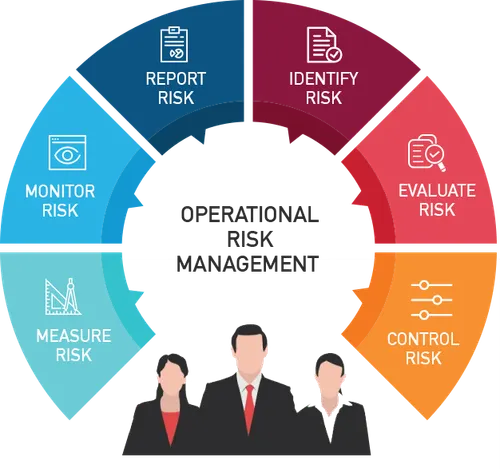
Operational Risk Management provides an in‑depth understanding of how organizations anticipate, evaluate, and mitigate risks that emerge from day‑to‑day operations. The course examines key sources of operational risk including human error, system failures, process breakdowns, fraud, and external shocks and teaches students how to design controls that reduce their likelihood and impact.
Learners will explore industry standard frameworks, regulatory expectations, risk assessment methodologies, key risk indicators (KRIs), scenario analysis, and business continuity planning. The course also highlights the role of technology, automation, and data analytics in strengthening operational oversight and improving response strategies.
By the end of the course, students will be able to develop effective operational risk programs, implement control measures, monitor risk exposures, and support organizational resilience within the broader Risk & Governance structure.